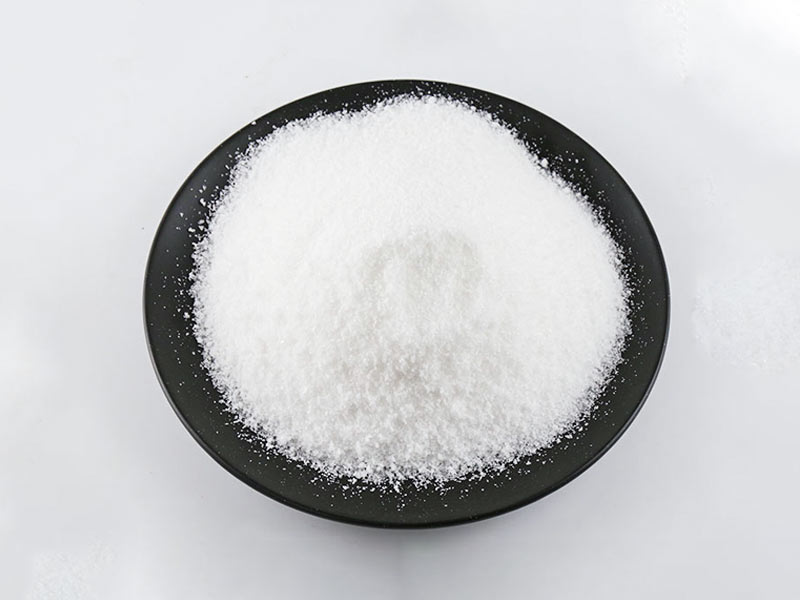
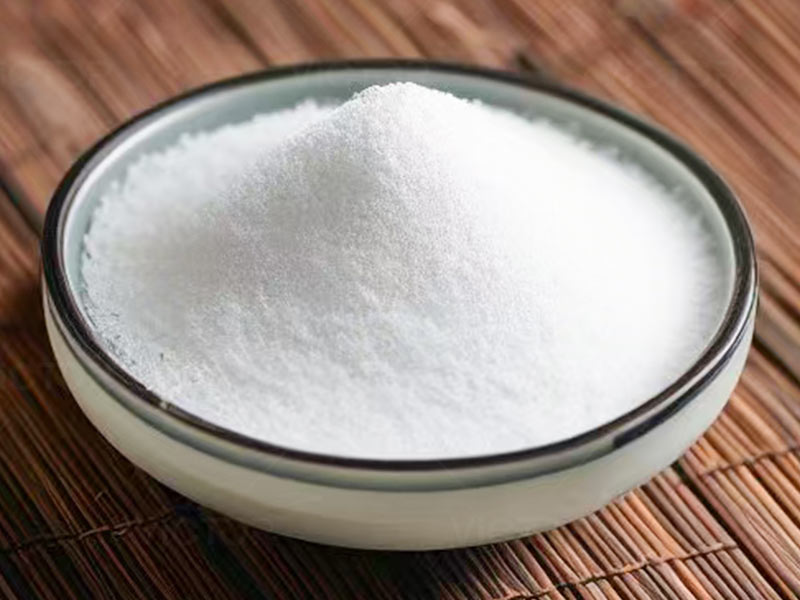
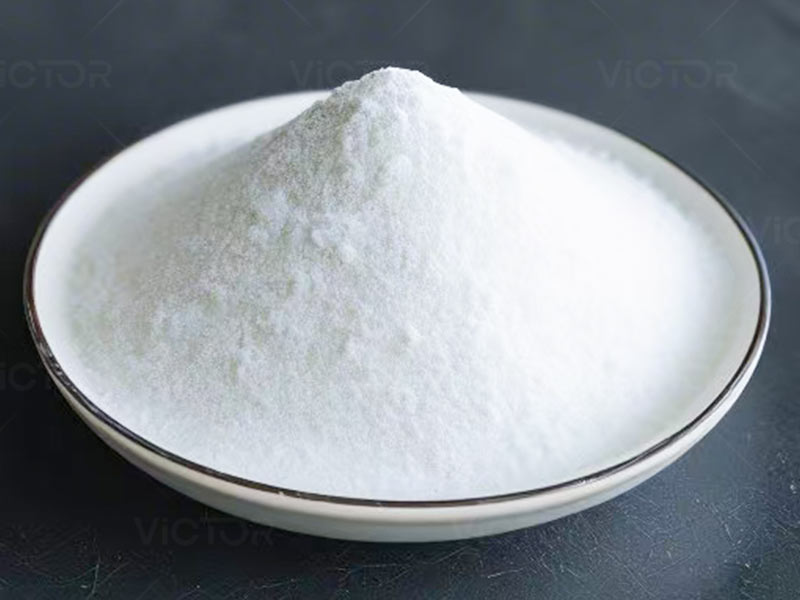
Polyacrylamide is an organic polymeric water treatment flocculant, commonly abbreviated as PAM in English. It is categorised into anionic polyacrylamide,
cationic polyacrylamide, and non-ionic polyacrylamide. Today, we shall thoroughly examine the cationic polyacrylamide produced by Victor Company.
Victor Company has consistently adhered to the principle of prioritising technology and ensuring survival through quality. Guided by collaboration with relevant domestic and international enterprises, we have jointly developed and produced a series of highly efficient, energy-saving, and durable water treatment products, including coconut shell activated carbon and water purification agents. Since their market launch, these products have been widely adopted across various water treatment sectors (such as municipal water supply and drainage, chemical engineering, oilfields, metallurgy, thermal power generation, papermaking, pharmaceuticals, environmental protection, and sewage treatment). Cationic polyacrylamide exists in two forms: solid granules and emulsion. Solid granules are currently the most widely used form in the market, while cationic polyacrylamide emulsion, as a newer product form, has seen less market application.
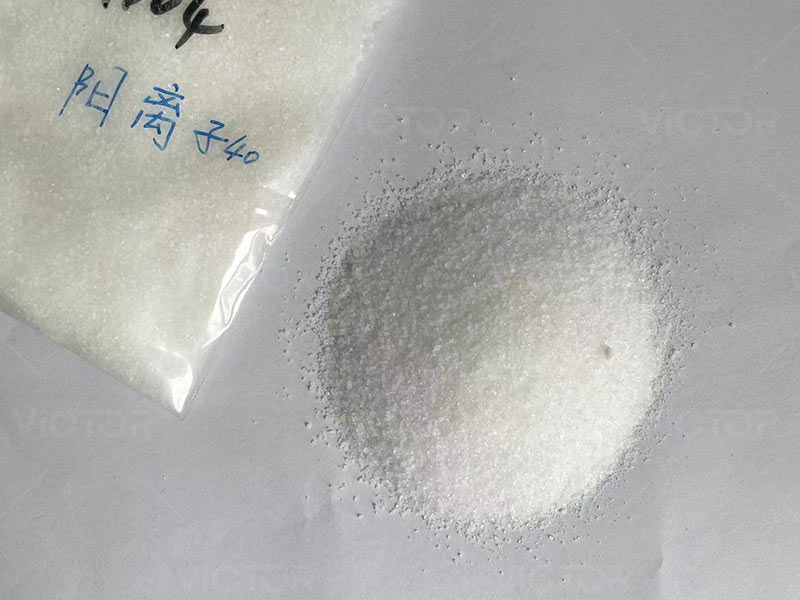
Cationic polyacrylamide possesses several notable characteristics, including exceptional water solubility that allows complete dissolution even in cold water. During water treatment processes, adding a small quantity yields highly visible flocculation effects. Typically, a dosage of 0.01–10 ppm (0.01–10 g/m³) suffices to achieve full efficacy. To enhance water treatment efficiency, combining cationic polyacrylamide with inorganic flocculants (such as ferric polymer sulphate, polyaluminium chloride, or iron salts) can yield even greater results.
The degree of hydrolysis of cationic polyacrylamide correlates with the acid-base content in water. The hydrolysis level of polyacrylamide refers to the capacity of its solution to form a range of weak acids and bases by combining the abundant weak ions within it with water. This essentially measures the strength of weak acid formation and the ability to generate weak bases in the polyacrylamide aqueous solution. For strong acids and strong bases, higher ionisation corresponds to stronger acidity or alkalinity, yet weaker hydrolysis. For readily soluble polyacrylamide types, greater ionisation yields more dissociated ions, resulting in reduced hydrolysis. Generally, a higher degree of ionisation correlates with weaker hydrolysis, whereas a lower degree of ionisation indicates stronger hydrolysis. Victor 's cationic polyacrylamide exhibits excellent water solubility and is currently one of the most widely used water purification agents on the market.